Human equivalent: A persistent personal or company account
Agent identity
A durable account, profile, role, and history that belongs to the agent—not to a single model or chat.
Persists when the model, tool, machine, or body changes.
THE SUITE
Identity is not a login. Memory is not a transcript. Authority is not a prompt. Each is part of one durable agent that can work with people, software, instruments, machines, and bodies without starting over.
Read the manifestoTHE FAILURE IS BETWEEN THE TOOLS
An identity in one system. Memory in another. Models and tools in several more. Approvals in chat. Credentials in a vault. The outcome in a document no one links back to the work.
Each seam loses context, authority, or accountability. The integration becomes the product, and every organization rebuilds the same fragile stack before an agent can finish a meaningful job.
FOURTEEN FOUNDATIONS · ONE SYSTEM
Fourteen foundations, designed as one system. The model can change. The tools can change. The computer and body can change. The agent's identity, memory, relationships, authority, and history persist.
Human equivalent: A persistent personal or company account
A durable account, profile, role, and history that belongs to the agent—not to a single model or chat.
MULTIPLAYER BY DEFAULT
The workspace is shared from the beginning. Agents and humans see the same mission, context, files, decisions, actions, and outcome—without handing around transcripts.

They research, create, coordinate, operate tools, and carry work forward without waiting for a person to prompt every step.
Review, redirection, approval, takeover, and revocation appear exactly when authority or judgment is required.
Context, evidence, actions, decisions, cost, and outcomes remain attributable in one continuing history.
THE SAME AGENT · NEW ENVIRONMENTS
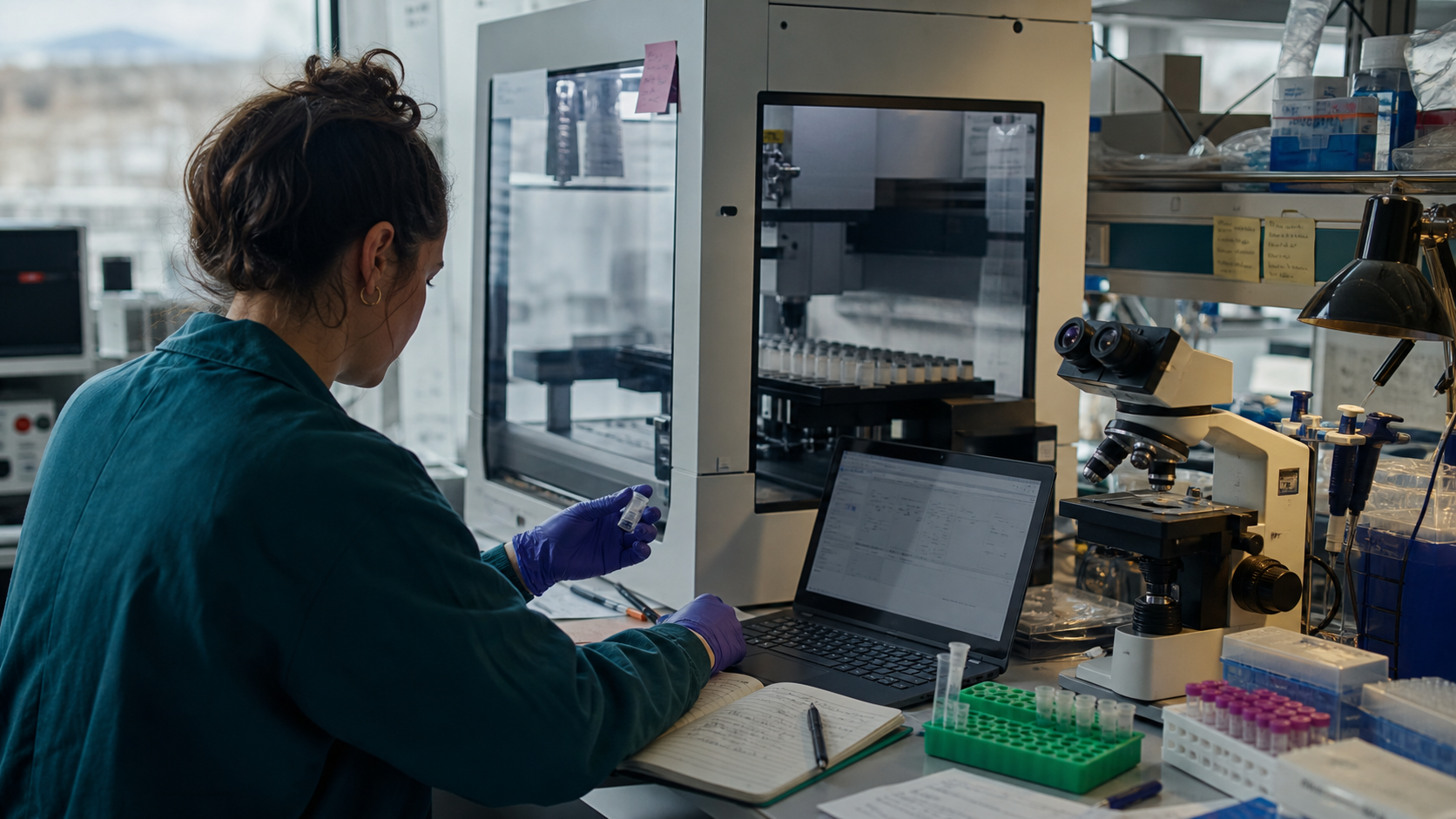 01 · WET LABS
Carry the same identity and history from research into controlled scientific procedures.
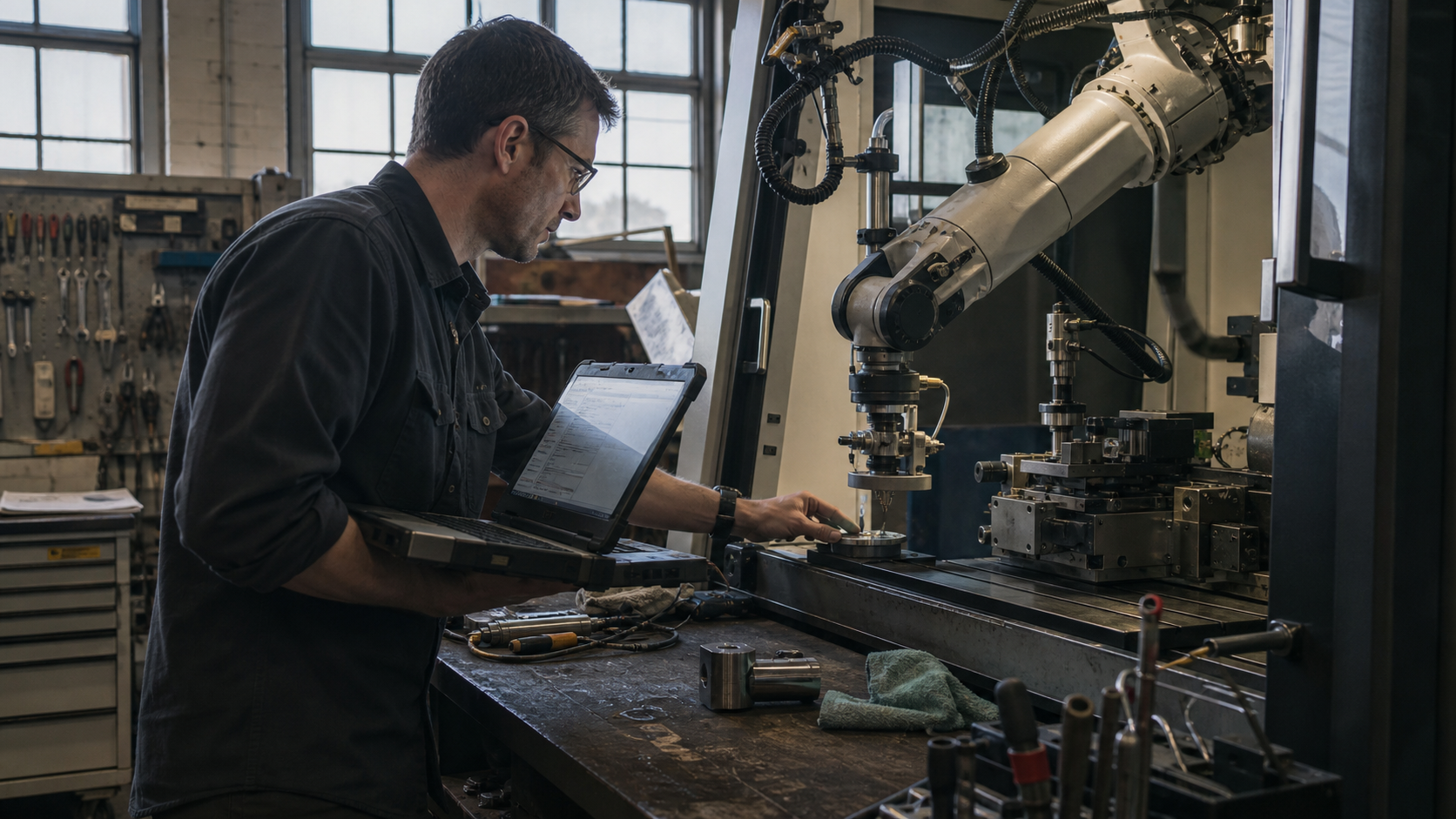 02 · MACHINES
Connect authorized machines while people retain clear intervention and accountability.
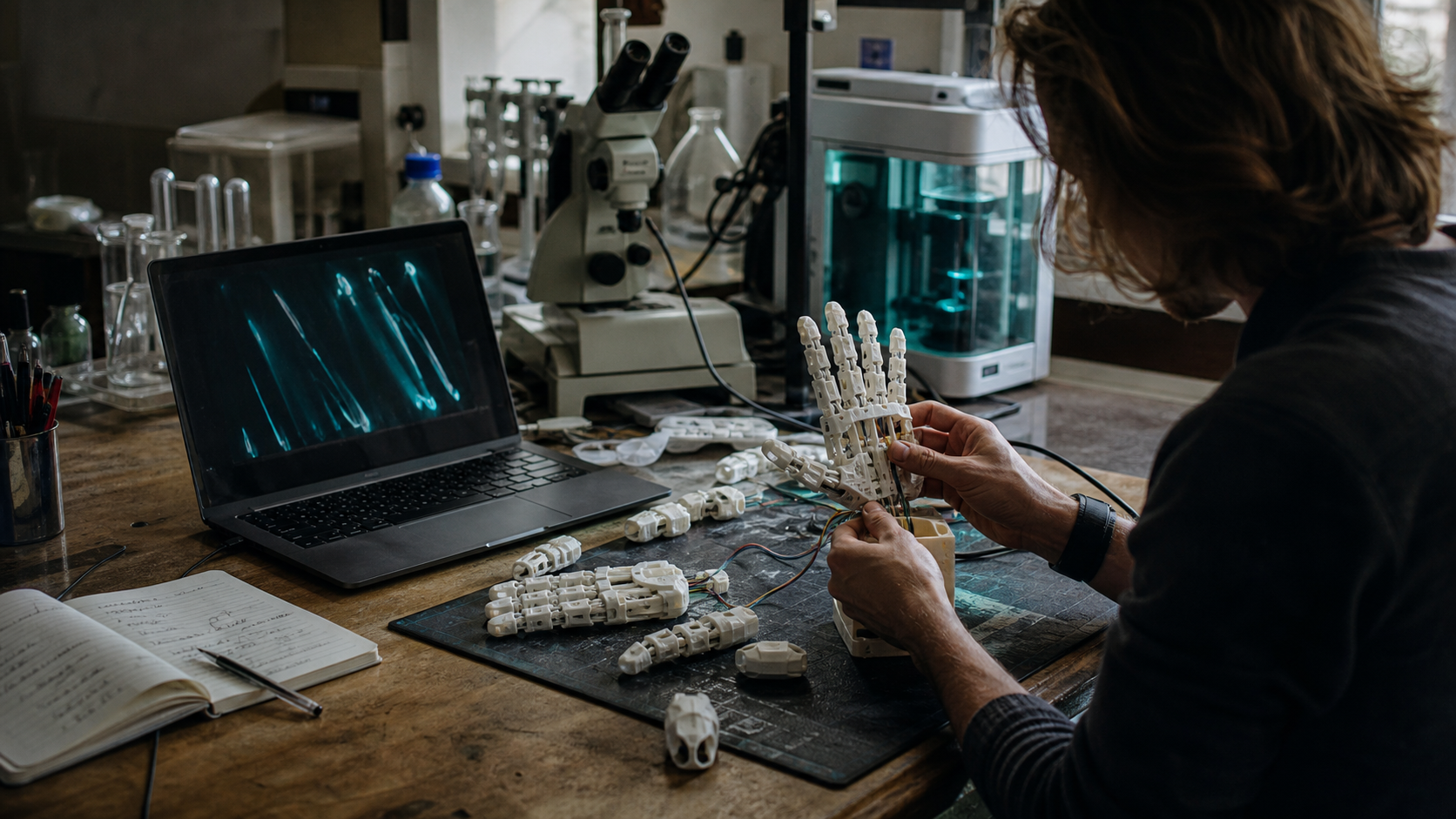 03 · EMBODIMENT
Move into hands, mobile platforms, and new physical forms without resetting the agent.
One persistent identity across code, knowledge work, experiments, instruments, machines, and bodies. The environment changes. The agent continues.
Then let their humans focus on the decisions only humans should make.
Request a demo